
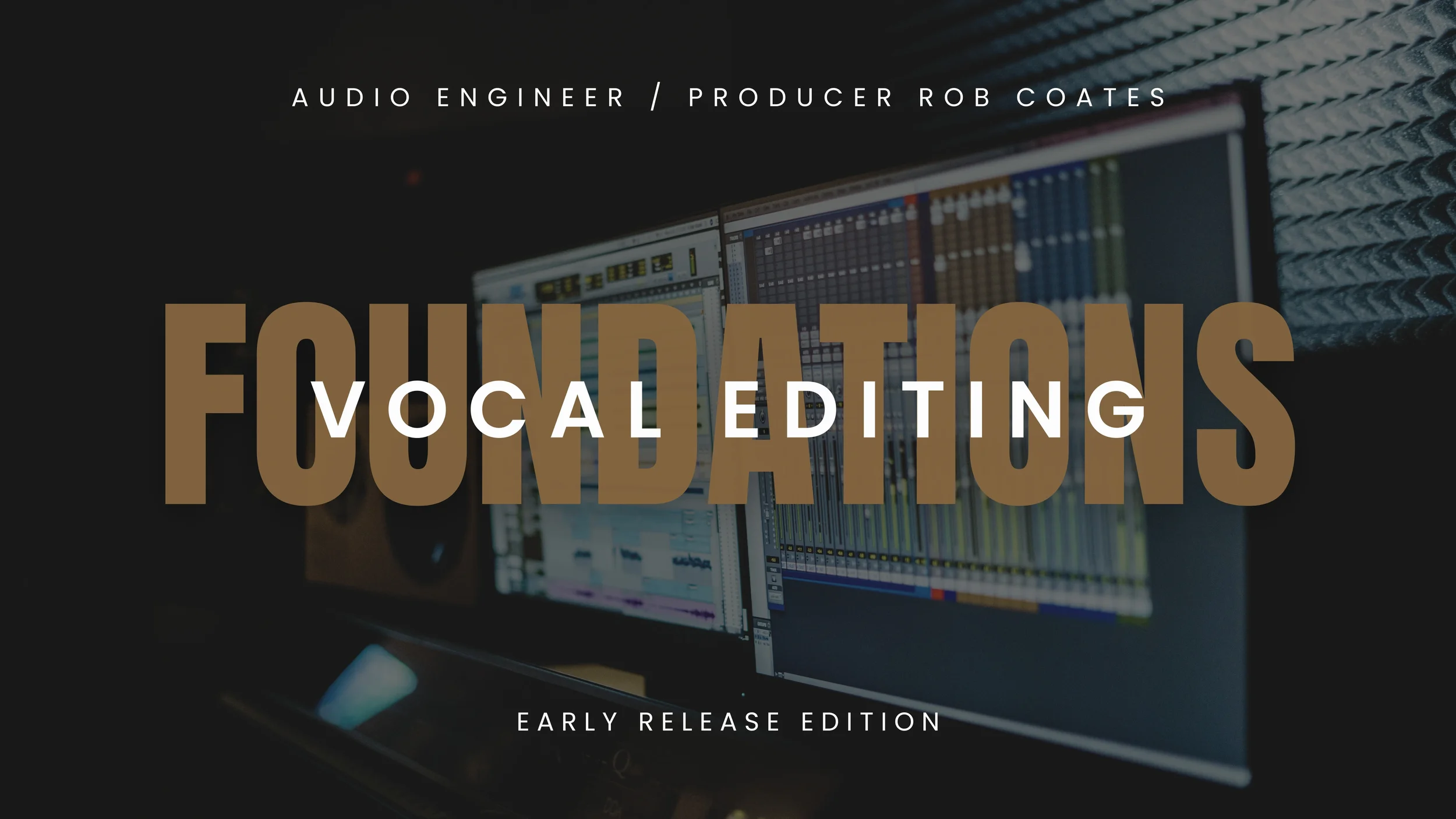
Most Vocal Mixing Problems Aren’t Mixing Problems.
They start in the editing stage — long before compression, EQ, or automation ever touches the track.
Learn the professional workflow that makes vocals behave predictably in the mix.
From Rob Coates — professional audio engineer, educator, and university instructor.
Course Summary
If you’ve ever found yourself fighting a vocal with compression, EQ, or automation, the problem often isn’t your mix. It’s the signal you started with.
This course shows you how professional engineers prepare vocals so mixing becomes enhancement instead of repair.
Did you know most compressors behave aggressively because the vocal wasn’t prepared properly?
When a vocal is unstable — uneven dynamics, inconsistent proximity, uncontrolled breaths — processors react unpredictably.
The result is:
• Harsh compression
• Over-EQing
• Endless automation
• Vocals that never quite sit in the mix
Most engineers blame the tools.
But the real problem happened before mixing even started.

Watch: Why Most Vocal Mixing Problems Aren’t Mixing Problems
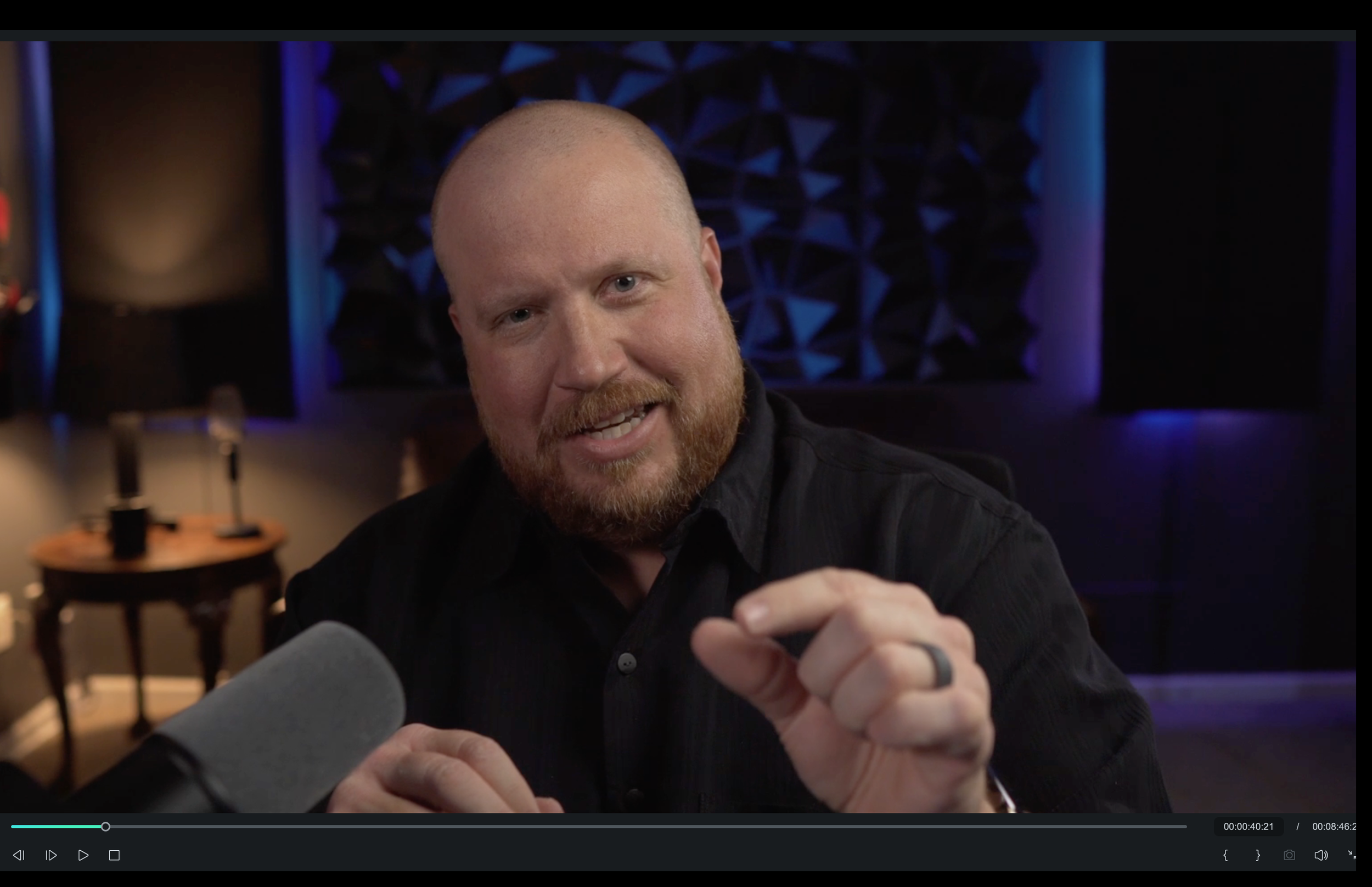
In this short video, Rob Coates explains why vocal editing — not mixing — is where most vocal problems actually begin.
Most engineers skip the stage that determines whether a mix will work.
Modern production workflows often jump straight from recording to mixing.
But without proper vocal preparation, you’re asking compressors, EQs, and de-essers to correct problems they were never designed to solve.
That’s why many mixes feel like constant repair work.
The missing step is intentional vocal editing.
If the vocal isn’t stable, everything downstream becomes harder.
You may notice things like:
• Compression that feels too aggressive
• EQ moves that make the vocal brittle
• Sibilance that gets worse instead of better
• Endless automation just to maintain consistency
These issues aren’t mixing failures.
They’re editing decisions that were never made.

Introducing: Vocal Editing Foundations
Make your vocals mix-ready before you ever touch a fader.
Vocal Editing Foundations teaches the decision-making framework professional engineers use to prepare vocal tracks for mixing.
Instead of relying on plugins to correct instability, you’ll learn how to stabilize the vocal itself — so your processors behave the way they were designed to.
When editing is intentional, mixing becomes dramatically easier.
Inside the Course You’ll Learn How to:
• Determine whether a vocal is truly mix-ready
• Identify which noises actually matter in the mix
• Control breaths and phrasing without killing realism
• Stabilize dynamics before compression
• Address sibilance through intentional editing
• Deliver vocals that behave predictably during mixing
Course Modules
Foundations of Mix-Ready Vocals
Understanding the editing stage in professional signal flow.
Noise, Breath, and Proximity Control
Learning how to evaluate artifacts in context.
Dynamic Stability Before Compression
Preparing vocal levels so compressors behave musically.
Sibilance and High-Frequency Control
Manual approaches to stabilizing problematic consonants.

Early Access Edition
Vocal Editing Foundations is currently available in Early Access.
Lessons are being released weekly as they are completed.
Early access students receive:
• Immediate access to all available lessons
• Lifetime access to the completed course
• All future updates
• The lowest price this course will ever be offered

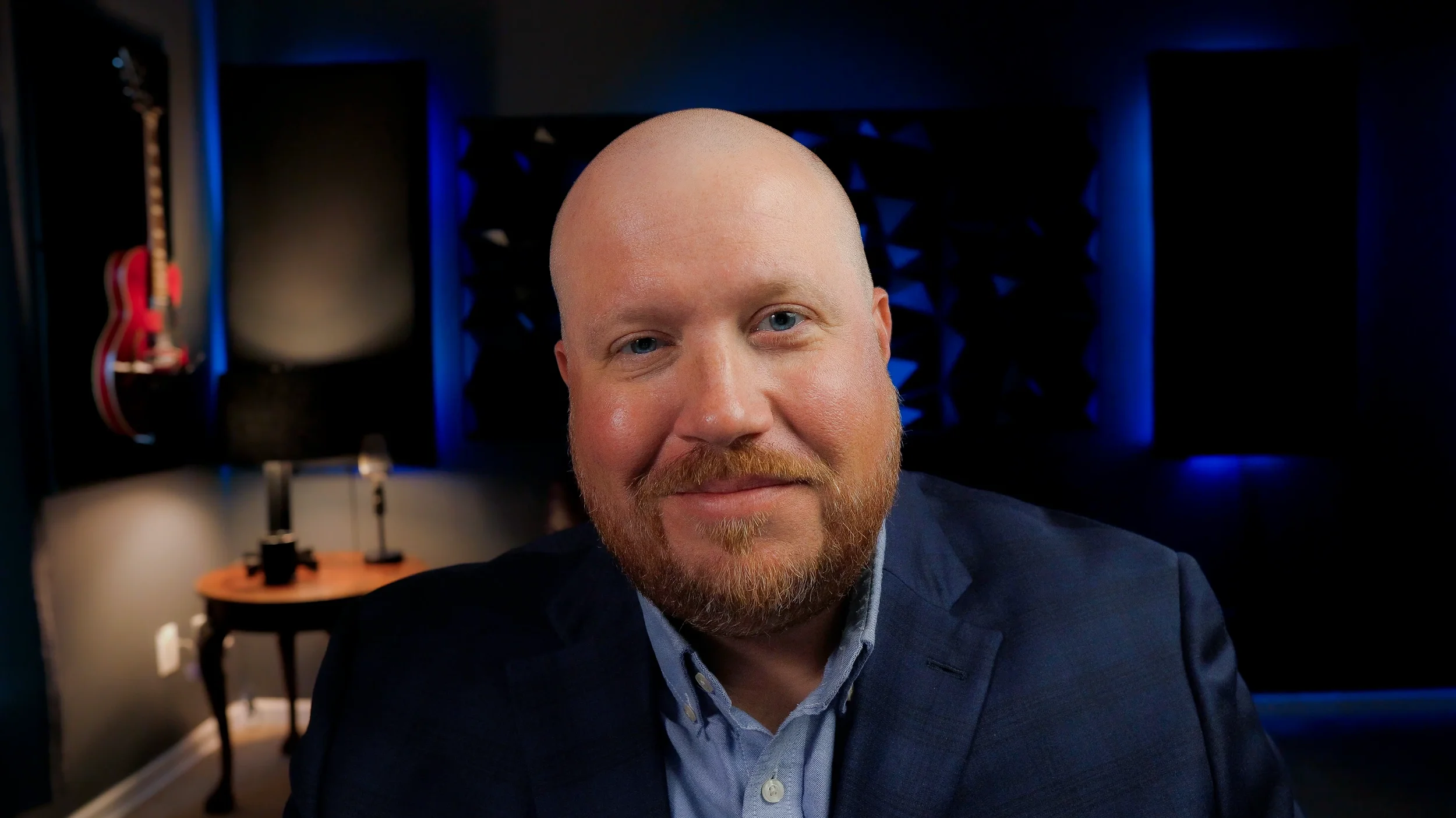
Founder / Chief Engineer
Rob Coates is an audio engineer, mix engineer, mastering engineer, and producer with more than three decades of experience shaping records for artists and labels worldwide. His career spans projects in some of the top commercial and private studios in the world, including Blackbird, Ocean Way, Sound Kitchen, Morrisound Recording, and Darkhorse Recording. As the founder of Rob Coates Productions and LabelMix Studios, he has delivered professional recording, mixing, and mastering services for both established acts and independent musicians seeking to craft a world-class sound.
Holding a Bachelor of Science in Liberal Studies with concentrations in Recording Industry and Organizational Communication from Middle Tennessee State University, and a Master of Science in Management and Leadership from Western Governors University, Rob brings a rare blend of technical expertise and strategic insight to his craft. Known for his ability to deliver clarity, depth, and balance, he has worked across genres ranging from rock and country to gospel and pop, tailoring each mix to highlight the unique voice of the artist.
In addition to his studio work, Rob served as an Adjunct Professor at Belmont University in the Audio Engineering Technology department, where he taught courses in recording and mixing, mentoring the next generation of engineers and producers.
Rob’s philosophy is simple: great music deserves great sound. His portfolio reflects a passion for capturing performance, clarifying mixes, and delivering records that connect with listeners, while keeping the artists main vision in mind.
A Track Record Built in Real Studios
“This Coates dude is quite the mixer. Believe me, I hear it all from all over the world and his stuff stands out!”
“Big Bass” Brian Gardner - Multi-Platinum, Grammy Award Winning, Mastering Engineer (Eminem, Dr. Dre, 2Pac, Michael Jackson,
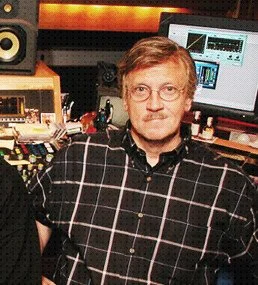
"Rob Coates has been my go-to professional for Mastering services for many years. His extraordinary skillset offers a fresh perspective, reliably delivering outstanding quality that surpasses industry norms. I strongly recommend him with great admiration!"
Jeff Silvey - ICMA - 2X "Producer Of The Year" Mix Engineer. Songwriter : George Strait

"Rob Coates cultivates an atmosphere of creativity and discipline to bring out the absolute best in myself and the guys in 21 to Burn. His team have been my go to for professional and commercial ready Mixes and Masters for almost 20 years strong! They treat each project as if it’s their very own and deliver above and beyond our vision every time."
Justin Weir - Rock Artist - 21 To Burn , Port Fierce, Through the Wishing Well

Vocal Editing Foundations teaches the professional workflow used to prepare vocal tracks before mixing begins. Most vocal mixing problems do not originate in compression, EQ, or plugins. They begin earlier in the signal chain — during the editing stage. When vocals are properly prepared, mixing becomes faster, more predictable, and significantly more musical. This course focuses entirely on the decisions that make a vocal mix-ready before you touch a fader.